A Nigerian mom founded Mo & Ruby's to bring Ankara heritage fabrics to Canadian children — but flat lays and mannequin shots couldn't show families how the clothes actually looked on their kids. EvolvedWork built an AI workflow that changed that entirely.
 The Challenge
Valentina founded Mo & Ruby's on a powerful idea: bring the richness of Nigerian heritage fabrics to Canadian children's fashion. Named after her three daughters — Morenike, Ruby, and Momoreoluwa — the brand is a cultural bridge, blending classic Western silhouettes with vibrant Ankara prints. The clothes are handcrafted, thoughtfully designed, and genuinely beautiful.
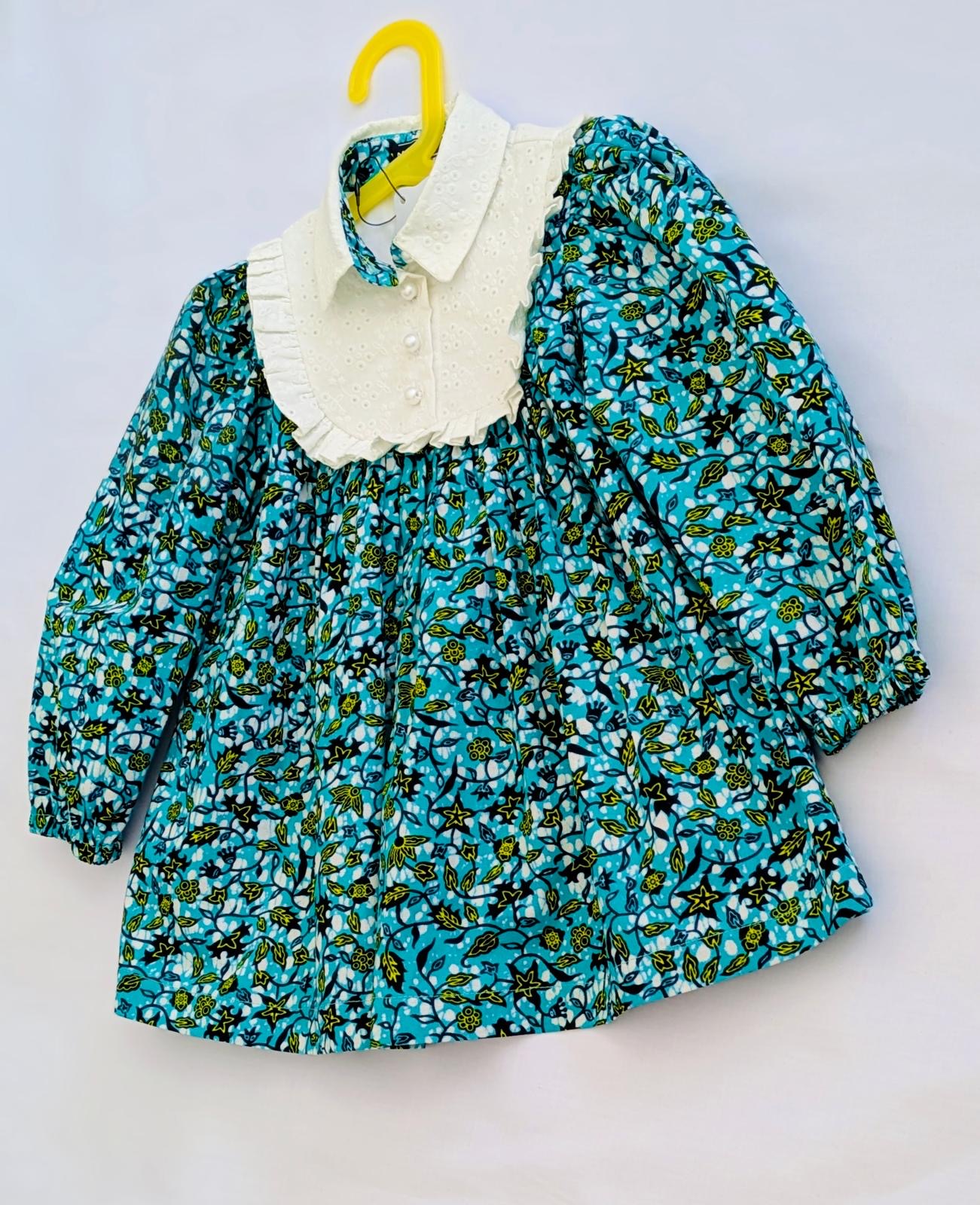
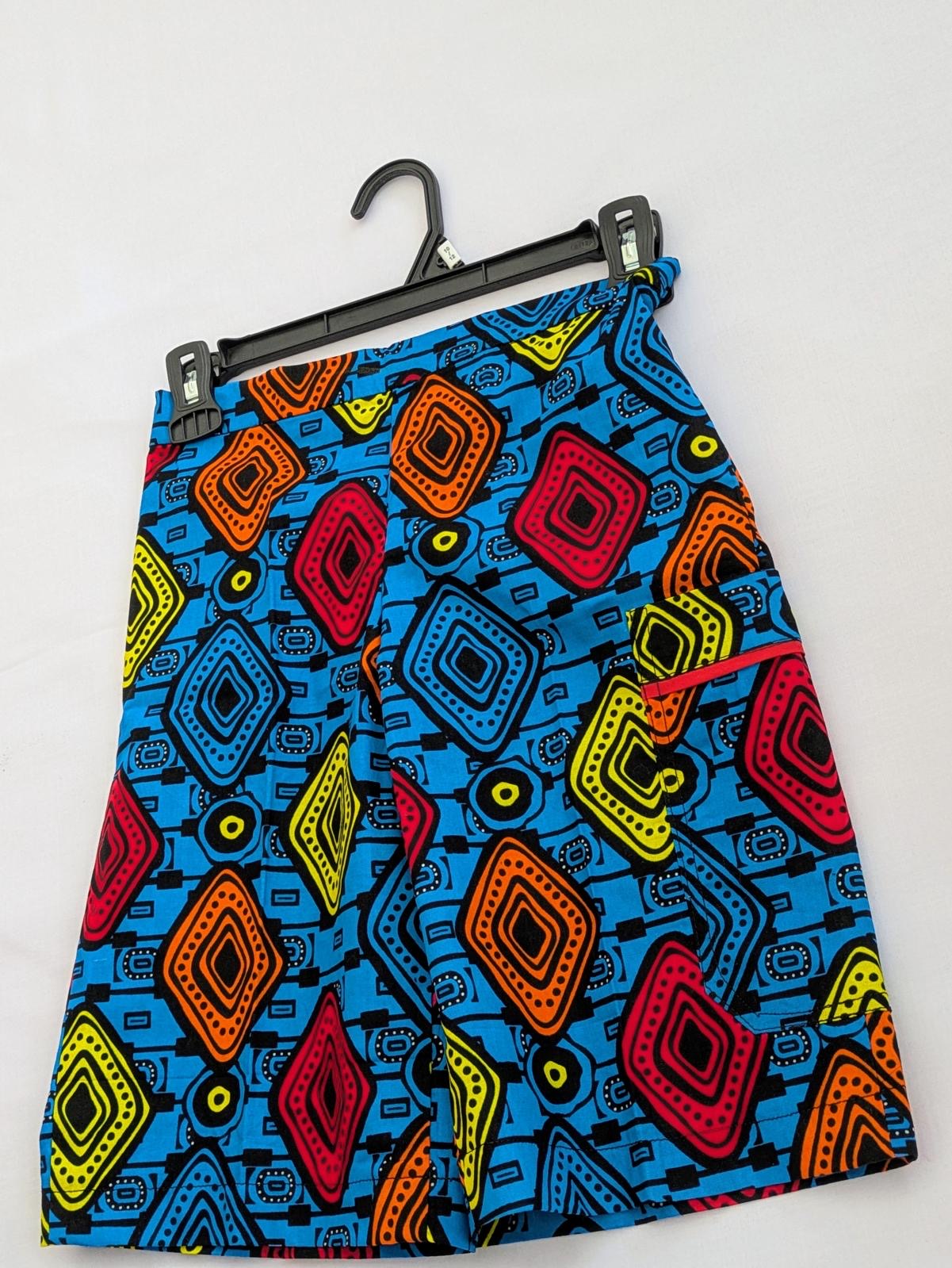
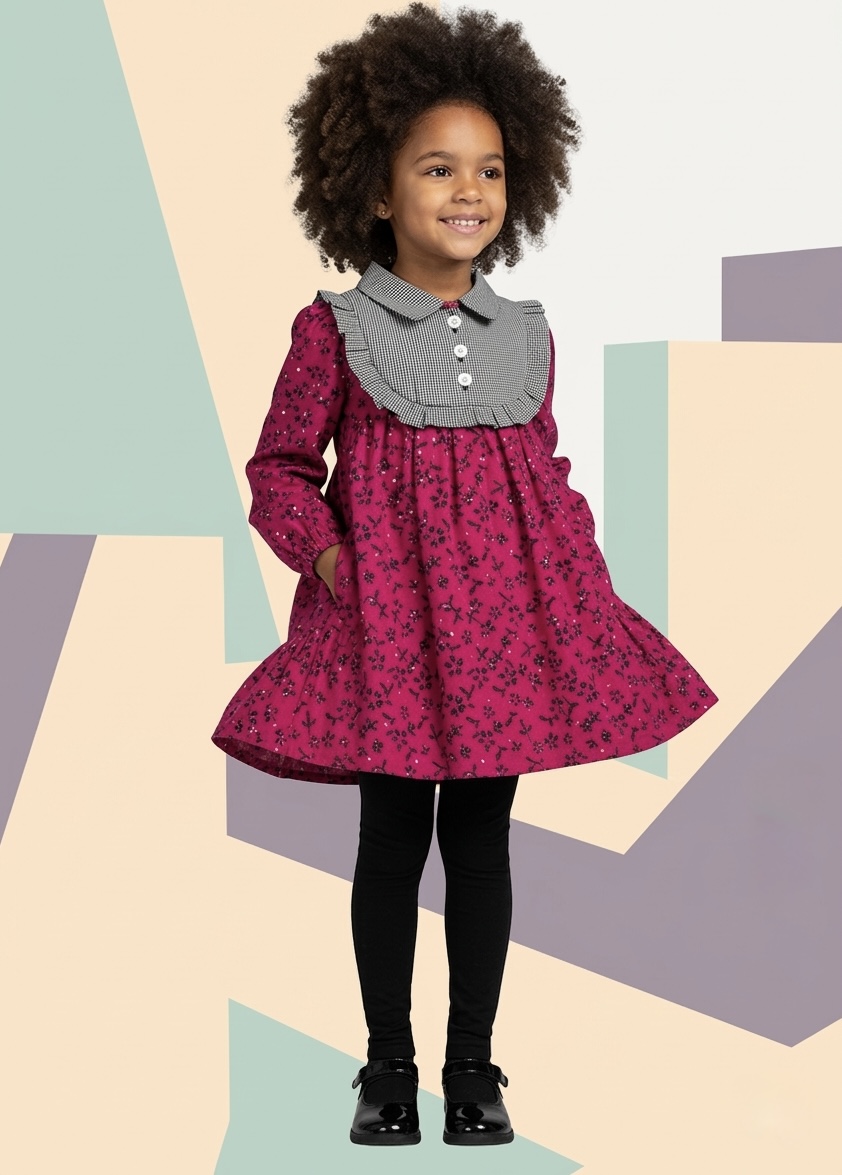
But the store told a different story. Flat lays of fabric on hangers, white mannequin shots, and a handful of inconsistent lifestyle images. Canadian parents scrolling the store couldn't see how a teal floral dress or a printed ruffle dress would look on their five-year-old at a birthday party or a Sunday in the park. The product was exceptional. The photography wasn't showing it. And professional photo shoots — local child models, Canadian locations, high-end production — were simply out of reach for a founder-stage budget.
The OpportunityMo & Ruby's didn't need a bigger budget. They needed a smarter production strategy. EvolvedWork began with a story-first discovery process — not a technology pitch. We looked at the store, reviewed the product range, and got specific: which garments needed lifestyle context most urgently? Which customer segments — parents of toddlers, parents of tweens — were hardest to reach with the current imagery?
The goal wasn't to make Mo & Ruby's look like every other children's brand. It was to make the cultural authenticity of Ankara prints immediately legible to Canadian families who hadn't grown up with them — and to do it at a cost that a founder-stage business could actually sustain and repeat independently.
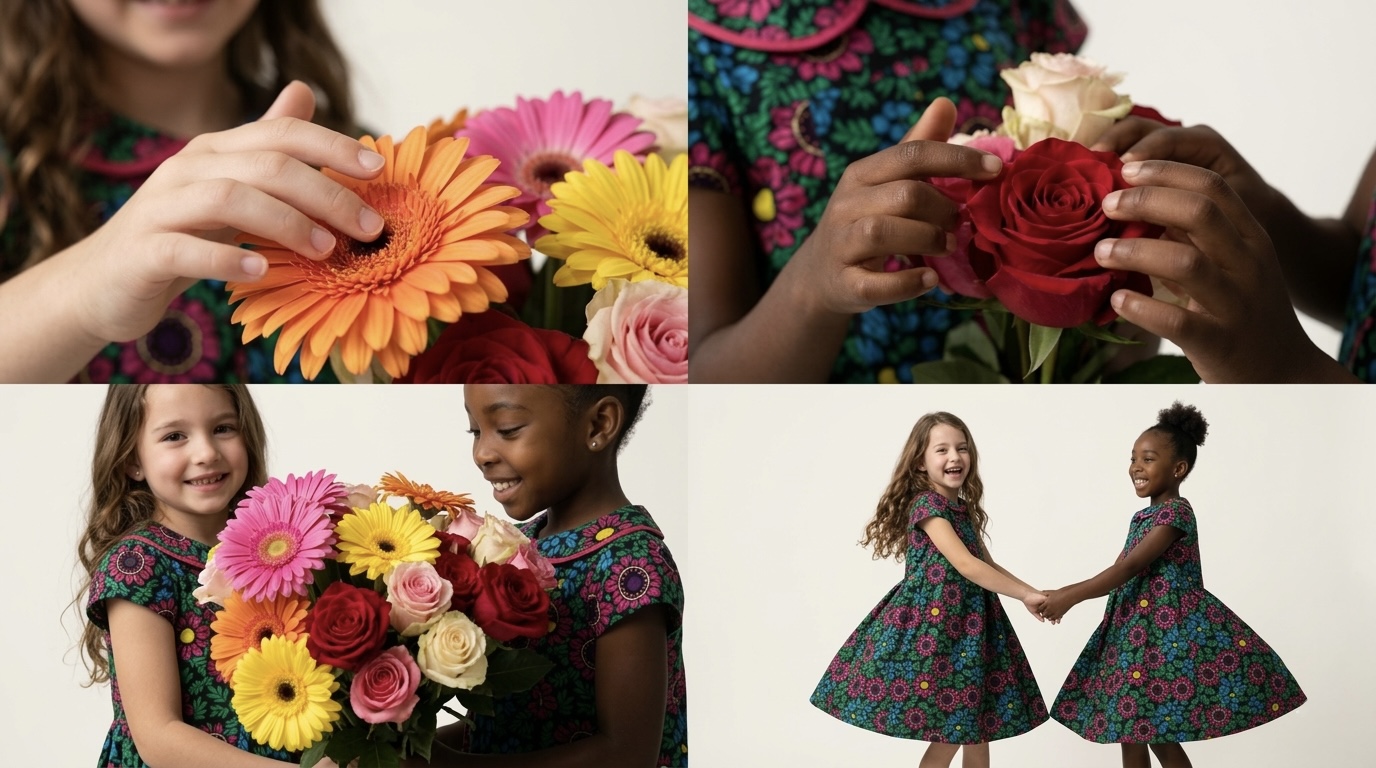
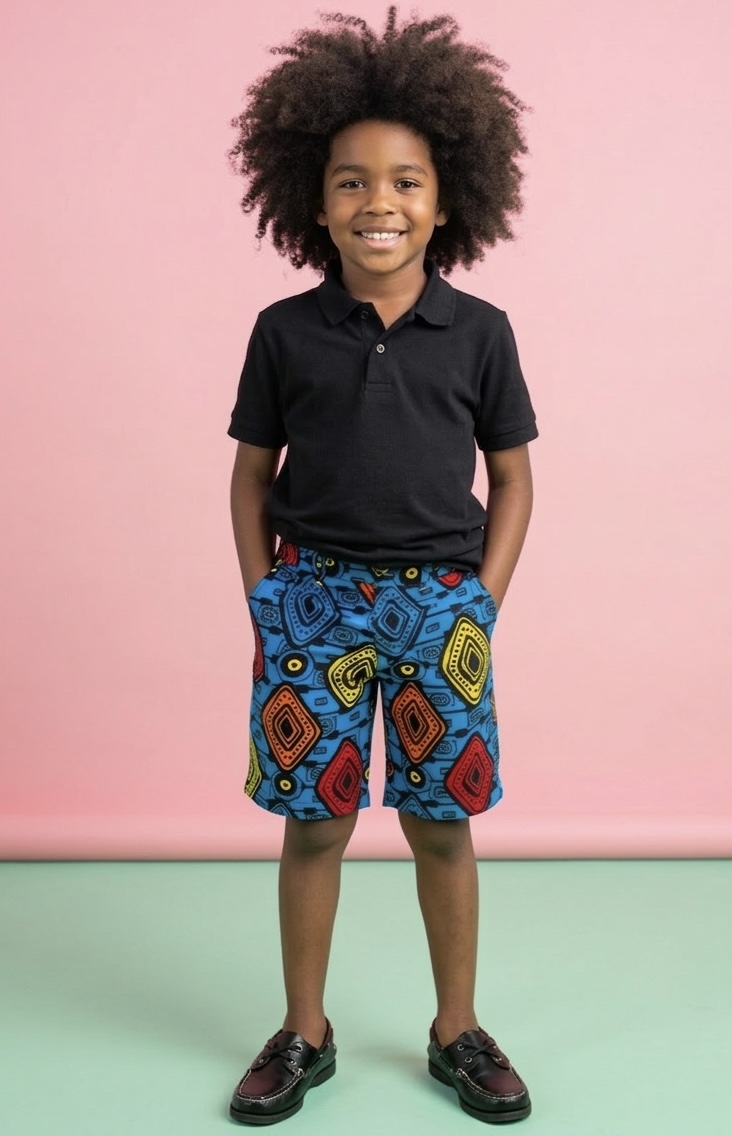
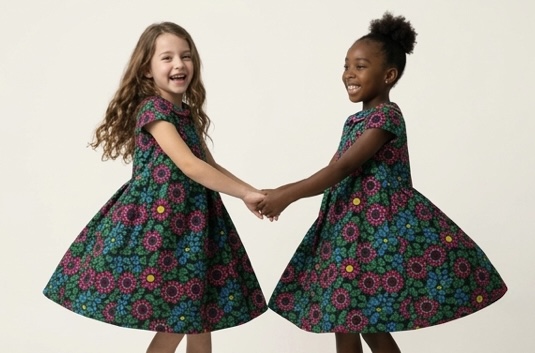
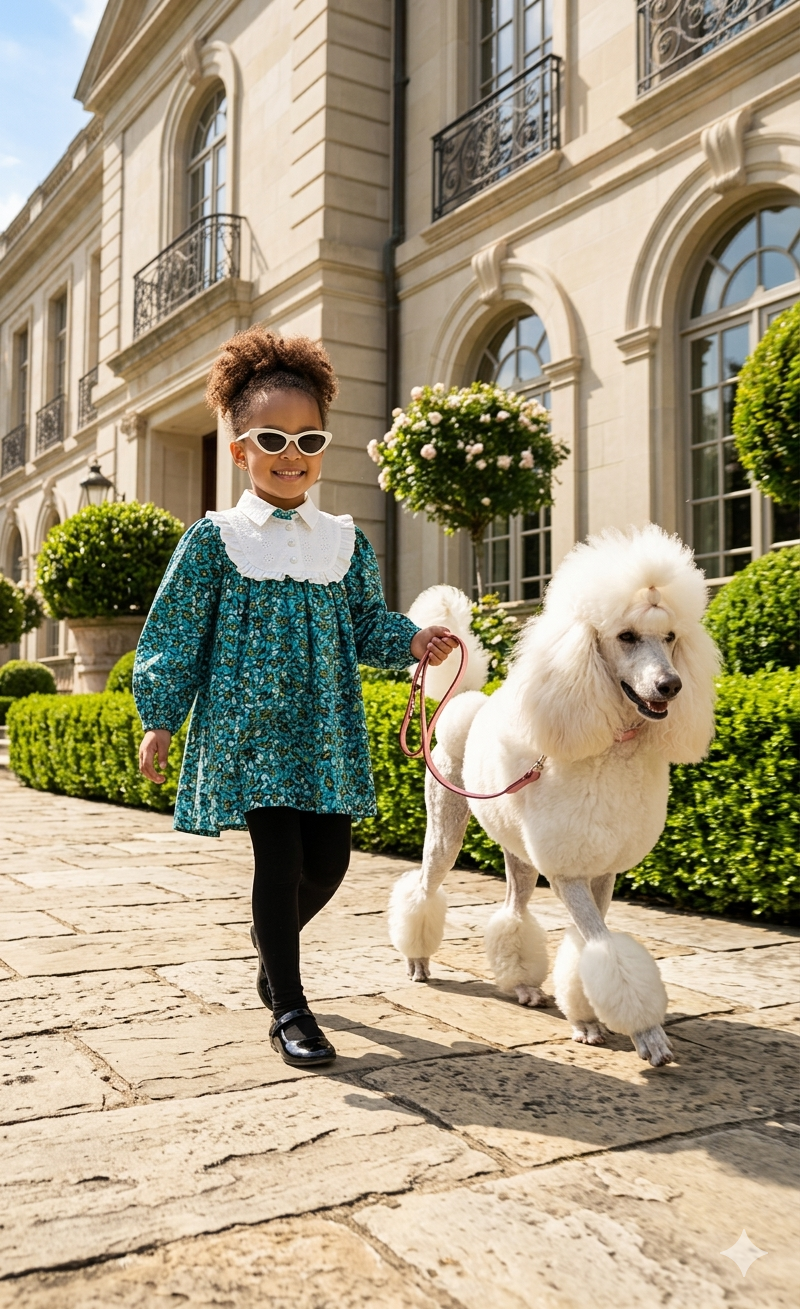
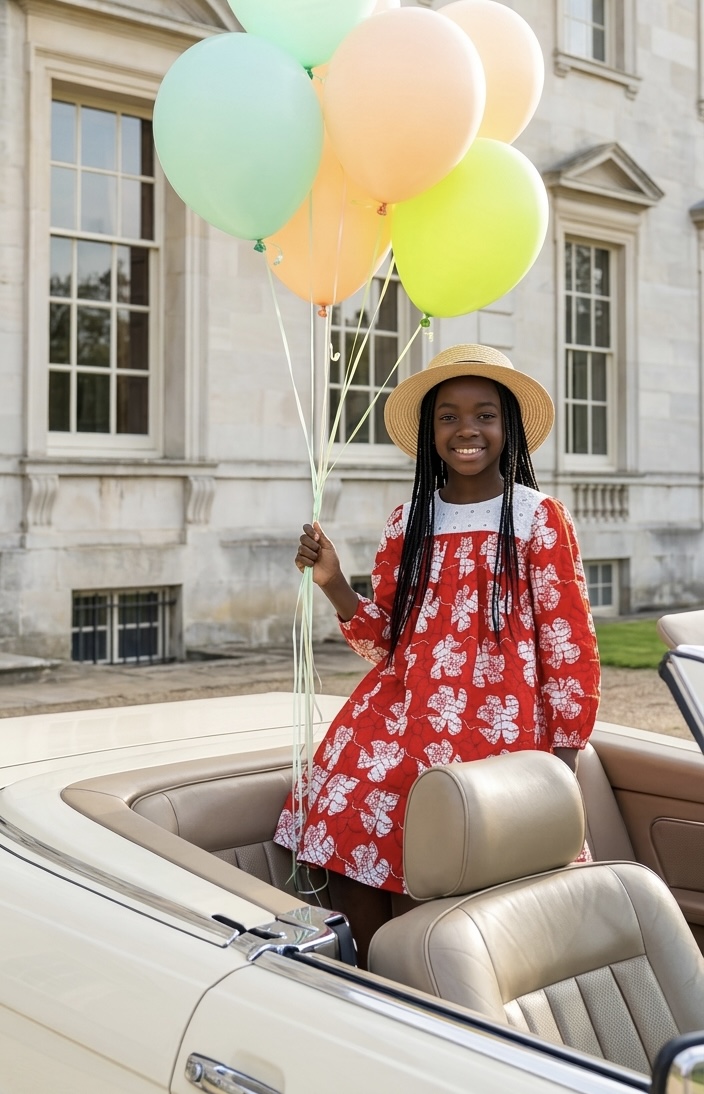
The SolutionInstead of expensive production sets, we designed an AI-assisted workflow that visualized Mo & Ruby's clothing on target customer segments in real-world Canadian contexts. The result: high-fidelity lifestyle imagery — children in parks, at school, at family gatherings — that showed exactly how the heritage fabrics translated into everyday Canadian life.
Critically, Valentina was trained to run this process herself. The goal was never dependency on an external team. It was founder independence: the ability to produce professional-grade visual content as fast as new designs came off the production line.
"I knew the clothes were beautiful. I just couldn't show Canadian families what they looked like on their kids, in their world. EvolvedWork solved that — and taught me how to keep solving it myself."Valentina · CEO & Founder, Mo & Ruby's
The transformation is visible. On the left: the original flat lays and mannequin shots that left customers guessing. On the right: the AI-assisted editorial imagery that shows the clothes in the moments Canadian families recognize.
Before
After
The transformation was immediate and measurable. Content production costs dropped by 80–90%. Turnaround time went from weeks to days. Content volume increased by 10×. But the most significant shift was in what the store now communicates — where the product grid once showed flat lays that left customers guessing, it now shows children in parks, in natural light, wearing the clothes in the moments Canadian families recognize.
| Dimension | Before | After |
|---|---|---|
| Primary product imagery | Flat lays + white mannequin shots | Lifestyle photos: real children in outdoor Canadian settings |
| Content production cost | Professional shoot out of reach | 80–90% lower with AI-assisted workflow |
| Content turnaround time | Weeks per collection | Days per collection (3–5× faster) |
| Content volume | 1–2 images per product | Multiple lifestyle contexts per garment (10× volume) |
| Customer visualization | Hard to see how clothes fit | Immediate: children in recognizable everyday moments |
| Founder independence | Dependent on external production | Valentina runs the full workflow herself |
"The before and after is night and day. The flat lays were fine, but the lifestyle images — kids in parks, at school — that's what makes a parent stop scrolling and actually look."Valentina · CEO & Founder, Mo & Ruby's
We didn't start with AI tools. We started by defining what Mo & Ruby's needed to communicate — cultural authenticity that resonated with Canadian families — and then designed the technology to serve that story.
A solution that required ongoing external support would have recreated the dependency problem. Every design decision prioritized Valentina's ability to run the process independently, at founder-stage budget.
The goal was never to make Mo & Ruby's look like a generic children's brand. The Nigerian heritage was the differentiator. The AI workflow made that heritage visible and legible to new markets, not invisible.
New collections no longer wait for production windows. Valentina can produce lifestyle content as fast as new designs are ready — which means the brand can grow without the production gap growing with it.
With visual production solved, Mo & Ruby's is now focused on expanding its Canadian retail presence and building direct-to-consumer channels that leverage the lifestyle content library. The AI workflow that started as a cost solution has become a brand-building engine — one that Valentina controls entirely.